

Window treatments play a defining role in how a home looks, feels, and functions. In 2026, the top window treatment trends focus on thoughtful design, improved performance, and everyday ease.
Whether you’re building, remodeling, or refreshing a space, understanding what’s trending can help you make choices that feel current now and lasting over time. This guide highlights the most important window treatment trends for 2026, what’s gaining momentum, and how to choose options that work for your home.
2026 TRENDS OVERVIEW:
- Smart Window Shades That Save Energy & Simplify Life
- Sustainable Window Treatments with Style
- Textured Window Fabrics Designers Love
- Layered Window Treatments for Light Control & Privacy
- Statement Drapery (Balanced with Modern Design)
- Slim-Profile Window Coverings & Cleaner Sightlines
- Energy-Efficient Window Coverings
- Custom Solutions for Unique Window Shapes
- Health & Wellness-Focused Window Features
- Exterior Solar Shades Going Mainstream
- Minimalist Hardware That Disappears
- 2026 Window Covering Color Trends
Plus, check out:
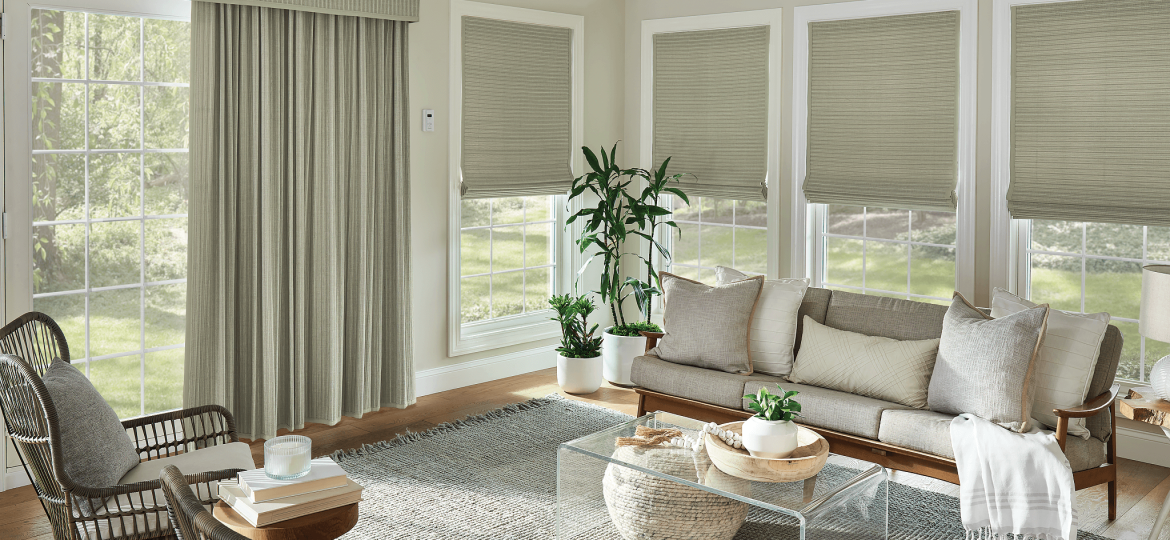
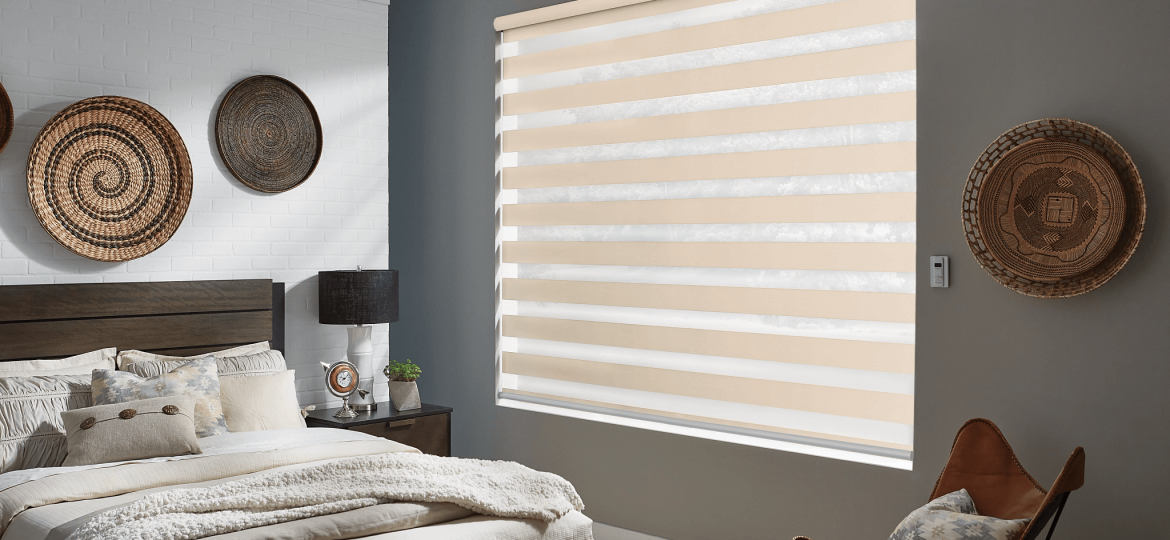
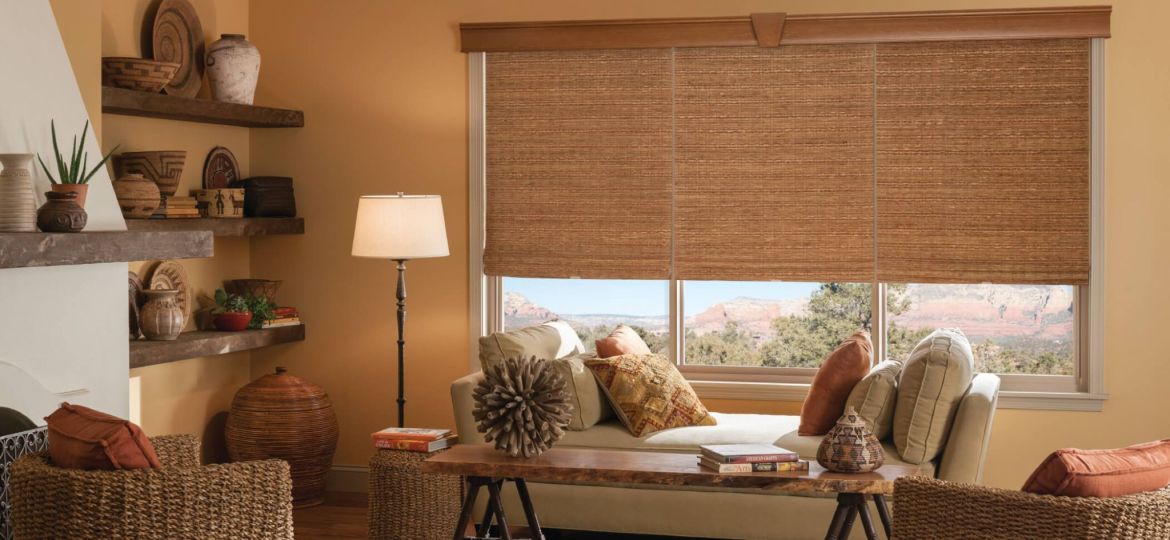
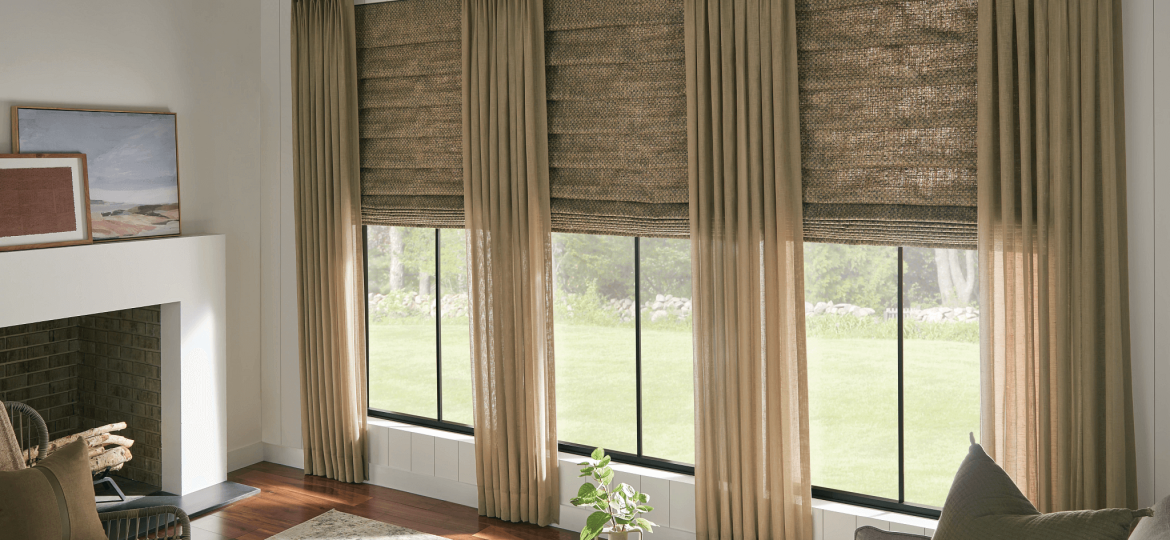
2026 Window Treatment Trend Report
The 2026 window treatment trend report highlights a clear shift toward performance-driven design. Homeowners are prioritizing comfort, energy savings, and ease of use without sacrificing style.
Smart window shades, sustainable materials, and energy-efficient coverings are leading the way, while clean lines, thoughtful layering, and custom solutions are redefining modern window treatment design. Exterior solar shades are becoming more mainstream, wellness-focused features are attracting attention, and color trends are moving toward warm, nature-inspired tones that feel calm and intentional.
In our annual window treatment trend report, we explore the top 12 window treatment trends for 2026, offering helpful insights and design ideas to help you decide which trends fit your lifestyle, your space, and your long-term goals.
Top 12 Window Treatment Trends for 2026
1. Smart Window Shades That Save Energy & Simplify Life
In 2026, smart window shades are leading the way in modern window treatment trends because they blend intuitive technology with real, everyday benefits for homeowners. At their core, these shades use motorized and automated systems that integrate with your smart home. You can open, close, or schedule them via remote control, mobile app, or voice command. This means effortless control over light, privacy, and comfort without ever leaving the couch.
One of the biggest advantages of smart shades is energy efficiency. By programming your shades to close during the hottest parts of the day in summer and open to welcome warming sunlight in winter, you’re actively reducing strain on your HVAC system and lowering energy costs. In other words, they work with the natural rhythm of your home to help regulate temperature.
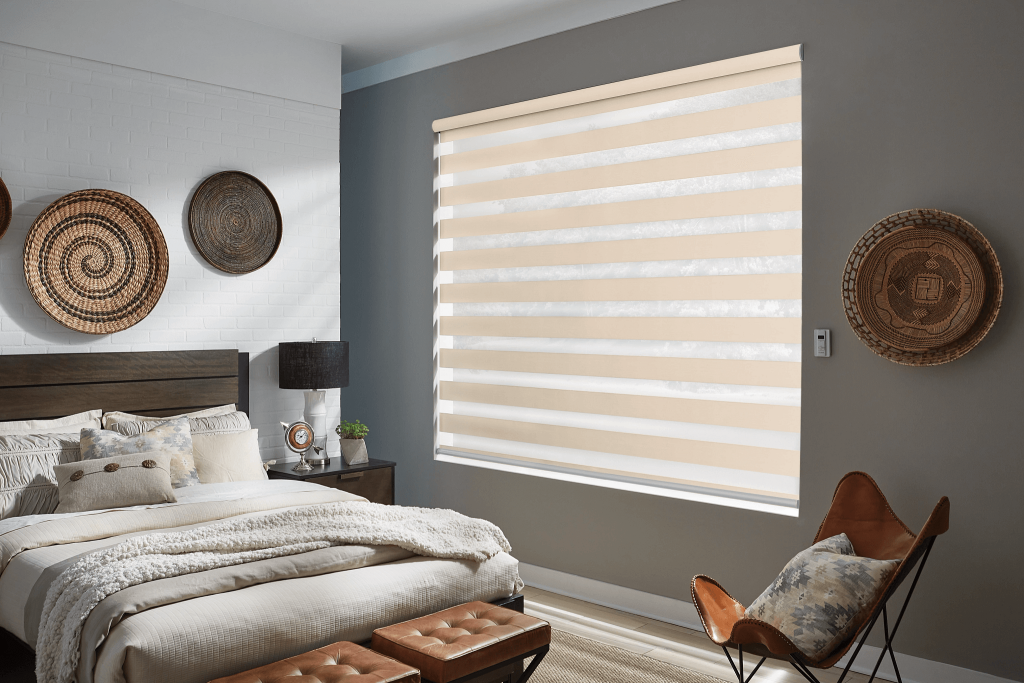
Safety and convenience are significant added benefits. Because smart shades eliminate traditional cords, they create a safer environment for children and pets while offering busy homeowners peace of mind. And for windows that are tall or hard to reach, automation turns a once-tedious daily chore into a simple push of a button or app tap.
Smart window shades also integrate seamlessly with major smart home systems, allowing you to coordinate lighting, climate control, and shade positions throughout your house. In 2026, that level of connectivity is expected to be a must-have for style-conscious, tech-savvy homeowners seeking optimized comfort and efficiency.
Whether your priority is cutting utility bills, enhancing daily comfort, or embracing modern home automation, smart window shades are a trend that makes life easier while giving your home a thoughtful, sophisticated edge.
2. Sustainable Window Treatments with Style
This year, sustainability in window treatments is less about buzzwords and more about thoughtful choices that balance style, performance, and longevity. Homeowners are gravitating toward designs that feel natural, timeless, and intentional while also supporting energy efficiency and healthier living spaces.
One of the most popular expressions of this trend is the rise of natural-looking materials and textures. Woven wood shades and textured fabrics bring warmth and organic character into a room, making them a favorite for both modern and transitional interiors. These materials pair beautifully with neutral palettes and layered designs, offering depth without overwhelming the space.
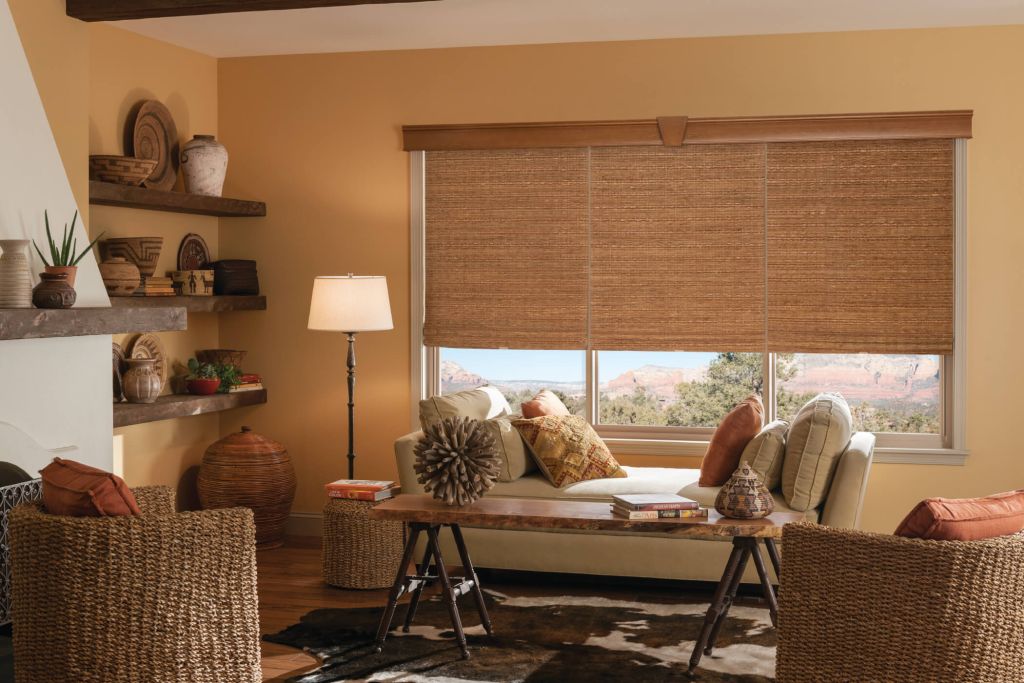
Energy-conscious design also plays a key role. Cellular (honeycomb) shades continue to gain momentum thanks to their insulating properties, helping regulate indoor temperatures and reduce energy usage throughout the year. Solar shade fabrics are another smart choice, limiting heat and UV exposure while preserving natural light and outdoor views.
From a design standpoint, sustainable window treatments often include soft neutrals, earthy tones, and understated patterns that won’t feel dated in a few years. Linen-inspired textures, woven finishes, and clean silhouettes allow these treatments to complement a wide range of architectural styles.
Rather than chasing short-lived trends, this movement focuses on window coverings that are built to last, both aesthetically and functionally. Sustainable window treatments offer homeowners a way to create spaces that feel calm, comfortable, and well-considered, without giving up style or performance.
3. Textured Window Fabrics Designers Love
This year, designers are embracing texture as a key way to bring depth, character, and visual interest to window treatments. Rather than relying on flat, uniform surfaces, textured fabrics add tactile richness that makes a space feel intentional and polished without overpowering the overall design.
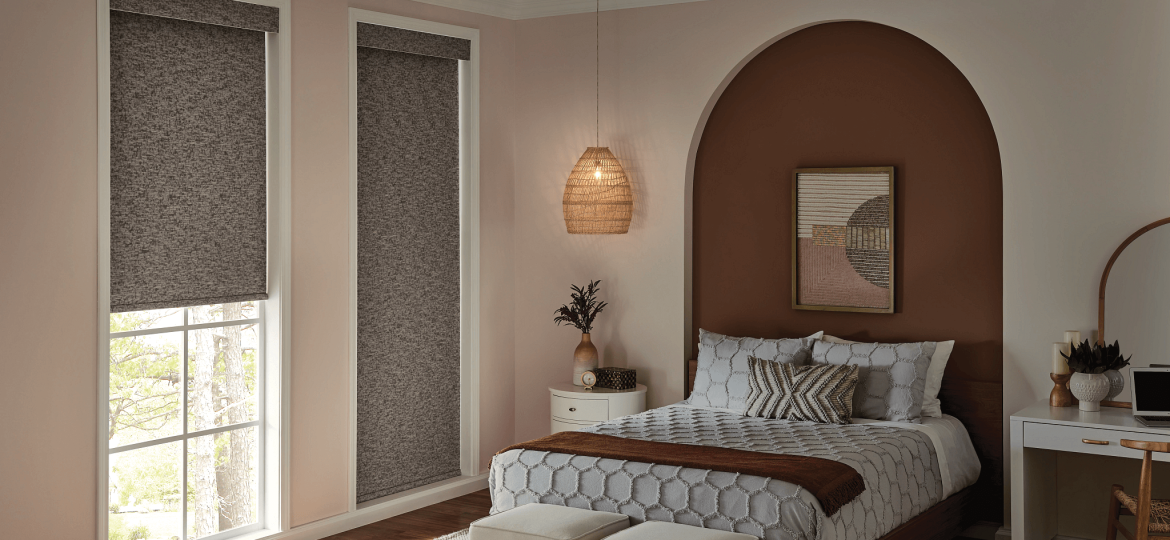
Textured window fabrics work beautifully in both casual and sophisticated interiors. A woven or patterned shade can create visual warmth in a living room, while a softly tactile blackout shade can bring cozy depth to a bedroom without sacrificing function. Combining fabrics with different textures also enhances layered treatments, such as pairing a woven shade with drapery or a fabric valance, adding dimension and visual balance.
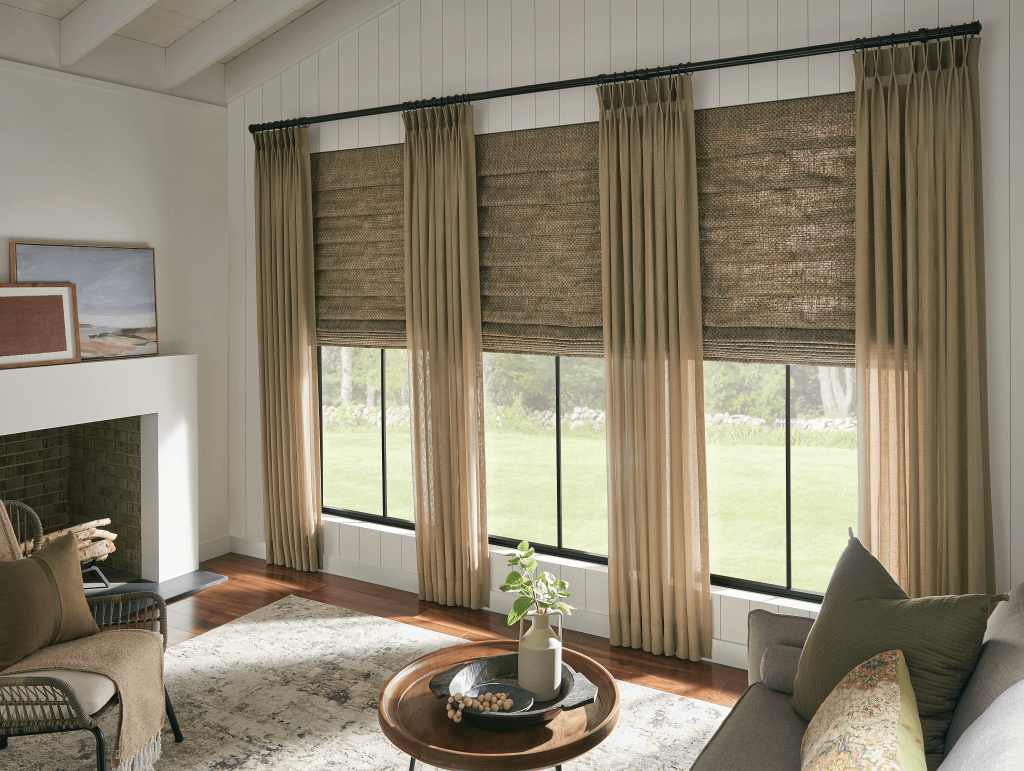
Design trends show that organic textures and nuanced surfaces are gaining popularity because they reflect a more crafted, human touch in interiors. Rather than plain, flat panels, homeowners are opting for fabrics that subtly draw the eye, like heathered weaves, light-filtering textiles, or soft patterns.
Whether you prefer the understated elegance of a finely textured roller shade or the rich surface of a woven treatment layered with curtains, textured window fabrics offer a simple yet impactful way to bring design personality into your home while maintaining the practical benefits of quality window coverings.
4. Layered Window Treatments for Light Control & Privacy
Layered window treatments are one of the most impactful and versatile trends in 2026 because they combine beauty with high-performance functionality. Rather than relying on a single covering, layering lets you blend different products—like shades, blinds, sheers, and drapery—to fine-tune light control, privacy, insulation, and style throughout the day.
You might start with light-filtering sheer panels in the morning to enjoy sunshine without glare, then drop a roller or cellular shade in the afternoon to reduce heat and glare, and finally close blackout drapery at night for total privacy. This flexibility means you don’t have to choose between light and privacy. You get both, exactly when you want them.
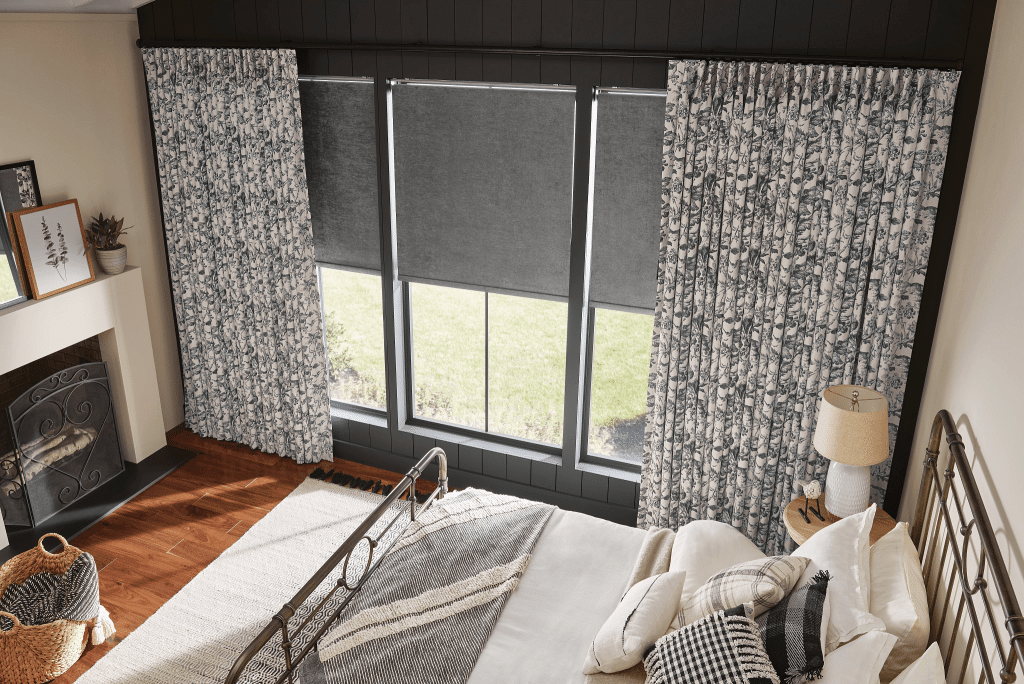
Layered designs also enhance insulation and energy performance. When multiple treatments are used, such as shades with curtains or blinds with sheers, they create an insulating buffer at the window, helping stabilize indoor temperatures and reduce energy costs.
Visually, layering adds depth and richness to interiors. A streamlined shade paired with textured drapery or a decorative valance brings dimension and sophistication to any room. Whether your style is modern and minimalist or warm and traditional, layered window coverings give you the ultimate custom solution for controlling light, privacy, and comfort.
5. Statement Drapery (Balanced with Modern Design)
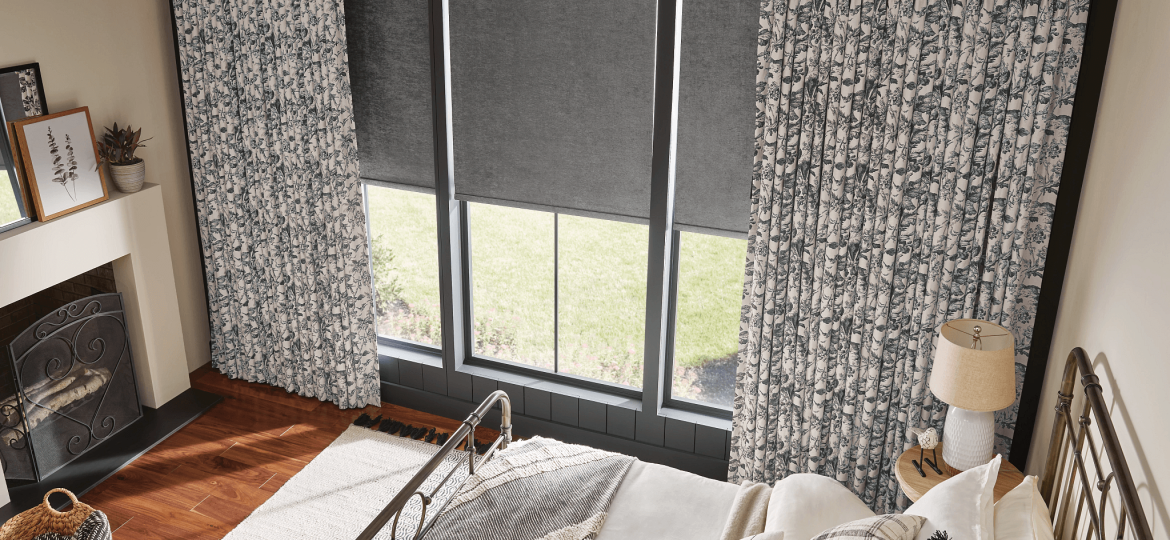
In 2026, statement drapery is making a return, but with a more refined, modern approach. Instead of heavy, overly ornate panels, today’s statement drapery focuses on clean lines, intentional fabric choices, and subtle drama that enhances a space without overwhelming it.
Designers are using drapery to visually anchor a room, especially in open-concept living areas and primary bedrooms. Floor-to-ceiling panels create height and softness, while tailored pleats and streamlined hardware keep the look polished and current. Custom drapery can be designed to complement modern shades or blinds, allowing homeowners to enjoy bold style and everyday functionality.
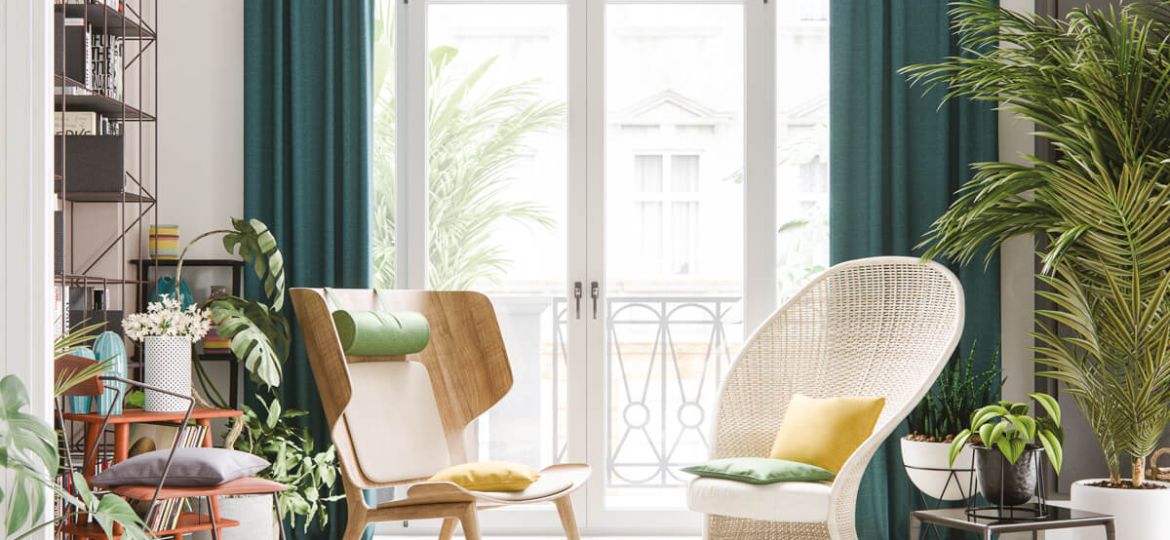
Fabric choice is key to this trend. Textured solids, linen-inspired weaves, and softly patterned fabrics add interest while remaining versatile. Rather than loud prints, the focus is on rich texture, depth, and movement; materials that catch the light and bring warmth to the room. Neutral tones remain popular, but deeper hues like warm charcoal, navy, and earthy greens are being used strategically to add contrast and personality.
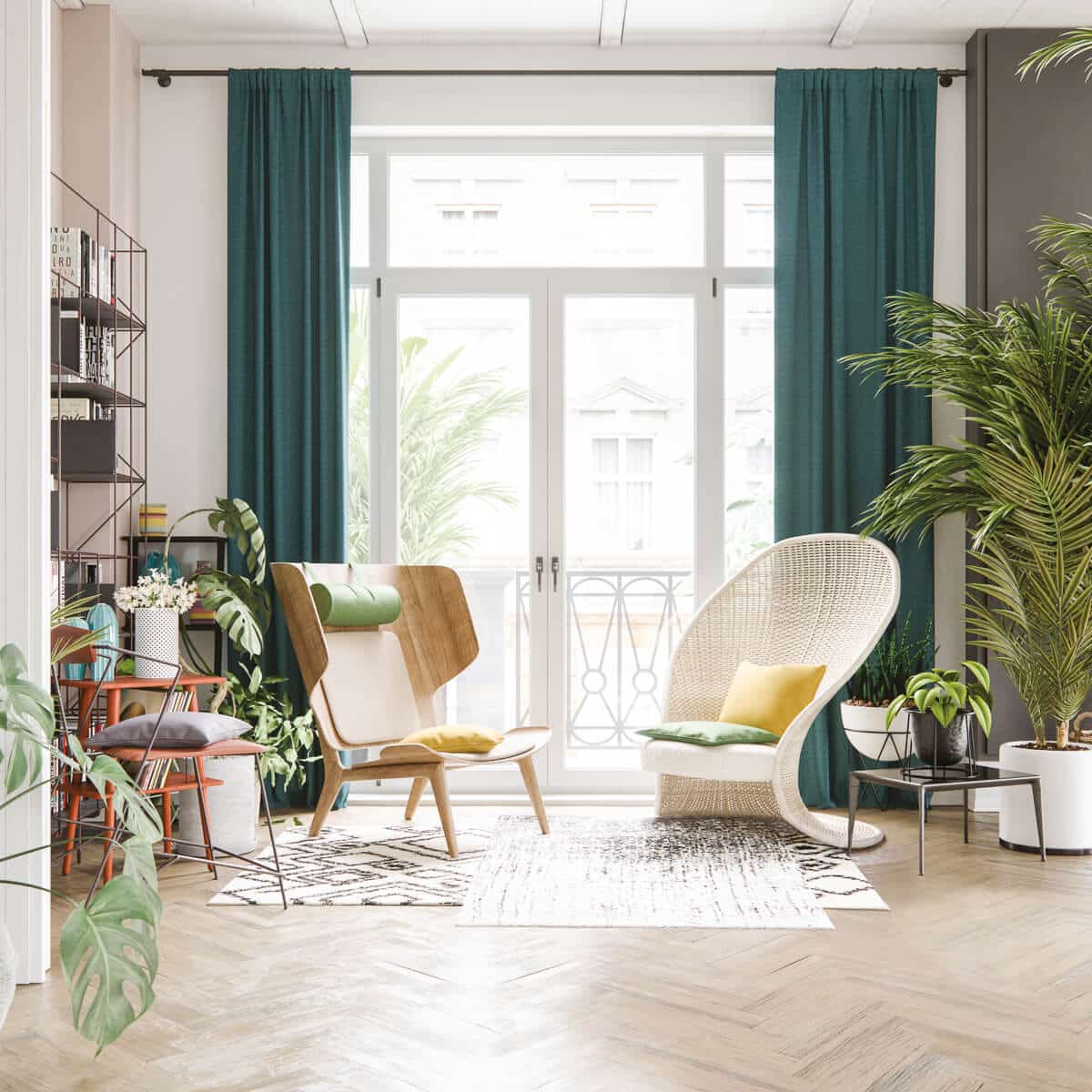
Statement drapery also plays an important functional role. When layered over shades or blinds, drapery enhances privacy, improves light control, and adds an extra layer of insulation. This makes it a smart choice for bedrooms, media rooms, and large windows where both comfort and design matter.
The result is drapery that feels intentional rather than excessive. Modern draperies are designed to frame the window beautifully, support modern living, and leave a lasting design impact without feeling dated.
6. Slim-Profile Window Coverings & Cleaner Sightlines
This year, there’s a strong shift toward minimalism and visual clarity in window treatments, especially when it comes to how coverings integrate with a room’s architecture. Homeowners and designers alike are favoring slim-profile window coverings that offer refined functionality without interrupting the clean lines of modern interiors.
Slim-profile shades and blinds sit closer to the window, creating a streamlined silhouette that feels intentional rather than bulky. Whether it’s a sleek roller shade tucked neatly above the glass or low-profile blinds designed to disappear into the window frame, these treatments keep the focus on the view and the room’s design rather than on heavy hardware. Many of these options can be paired with motorization for a truly discreet experience. No cords, straps, or visual clutter in sight.
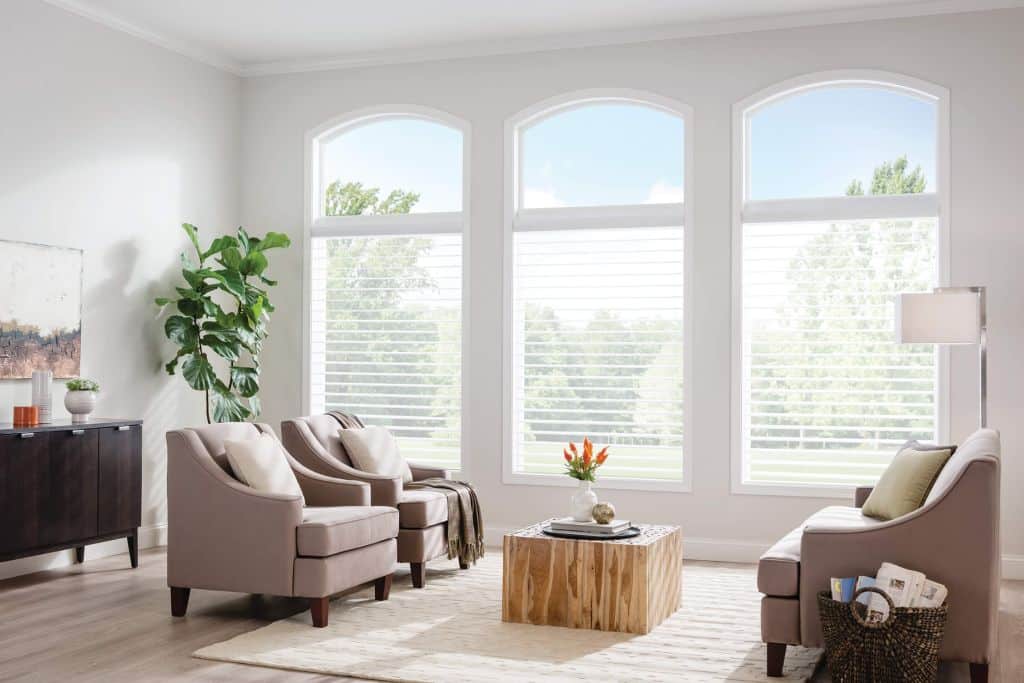
Cleaner sightlines don’t just look better, they also make a space feel larger and more cohesive. In open-concept living rooms, kitchens with big picture windows, and modern bedrooms with expansive glass, slim-profile coverings let natural light take center stage while still providing privacy and control.
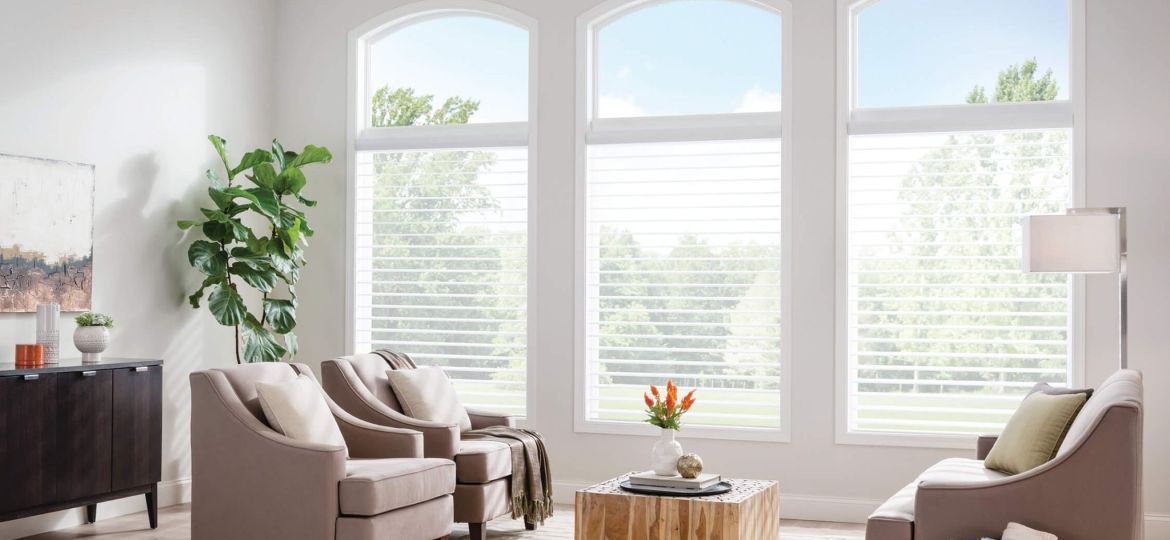
Light-filtering roller shades, solar screens, and low-profile blinds are perfect examples of this trend in action. They provide the practical benefits homeowners want (glare reduction, energy savings, privacy) while maintaining a clean, unobtrusive look that enhances rather than competes with interior design. In essence, slim-profile window treatments elevate both function and form, making them a key trend for 2026.
7. Energy-Efficient Window Coverings
Energy efficiency isn’t just a trend. It’s an essential feature homeowners actively seek when choosing window treatments. Modern window coverings do more than control light and privacy; they help regulate indoor temperatures, reduce heating and cooling costs, and create more comfortable living environments year-round.
Windows are one of the biggest sources of heat gain in summer and heat loss in winter, accounting for up to 25%–30% of residential heating and cooling energy use. Strategic window coverings help block unwanted solar heat, retain indoor warmth, and ultimately lower utility bills while improving comfort.
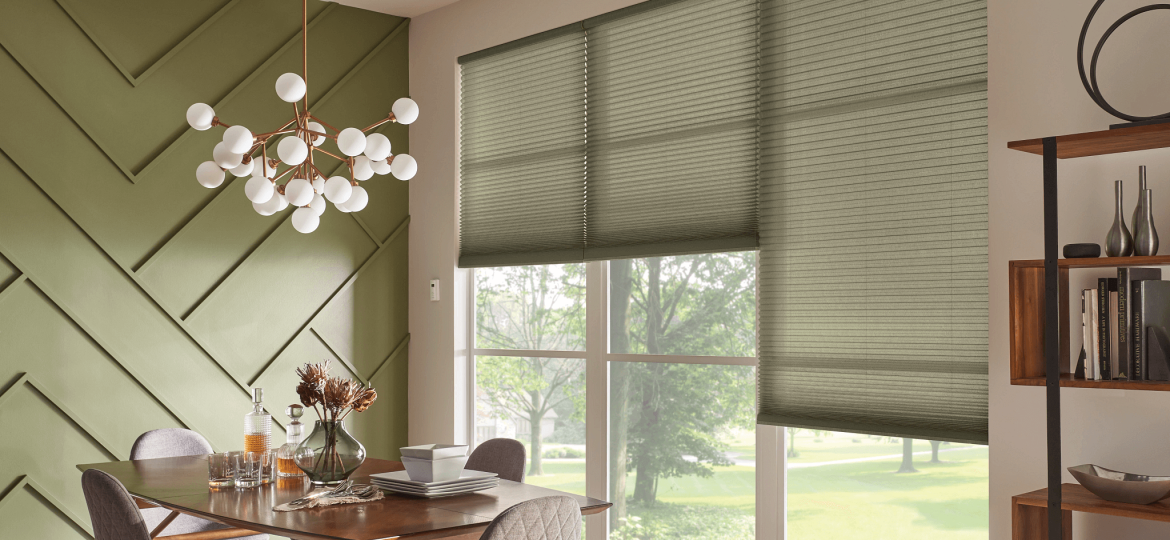
One of the most effective energy-saving options is cellular (honeycomb) shades. Their unique construction traps air in insulating pockets, helping reduce heat transfer through the glass and improving overall thermal performance. In fact, certain cellular designs can cut heat loss through windows by as much as 64%, making them among the highest-value energy-saving window coverings available.
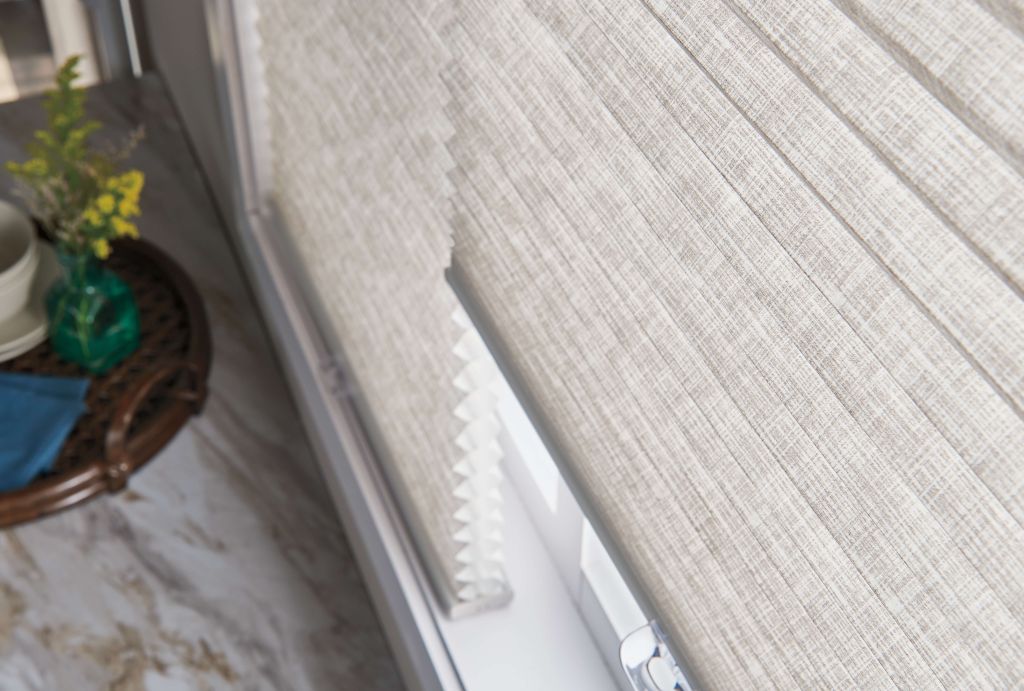
Other treatments also contribute to energy performance. Solar shades reflect sunlight and harmful UV rays, keeping interiors cooler in warm months while preserving views and natural light. Roller and Roman shades with appropriate fabrics reduce glare and heat gain, and when layered with drapery or curtains featuring strong insulating values, they deliver even greater coverage. Plantation shutters and vinyl shutters add insulation with adjustable louvers that redirect heat and block drafts.
Integration with motorization and automation systems further enhances energy savings by scheduling coverings to open and close in response to sunlight and temperature patterns, reducing HVAC strain without additional effort.
Whether you’re aiming to lower energy bills, improve comfort, or make an eco-smart investment, energy-efficient window coverings are a high-impact choice in 2026—and a core component of smart, sustainable home design.
8. Custom Solutions for Unique Window Shapes
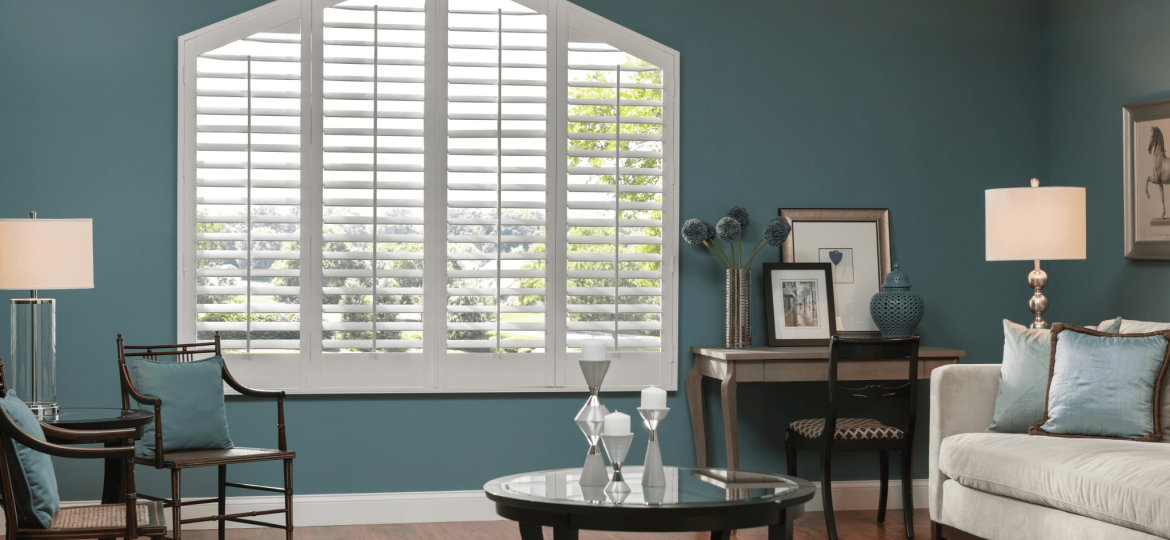
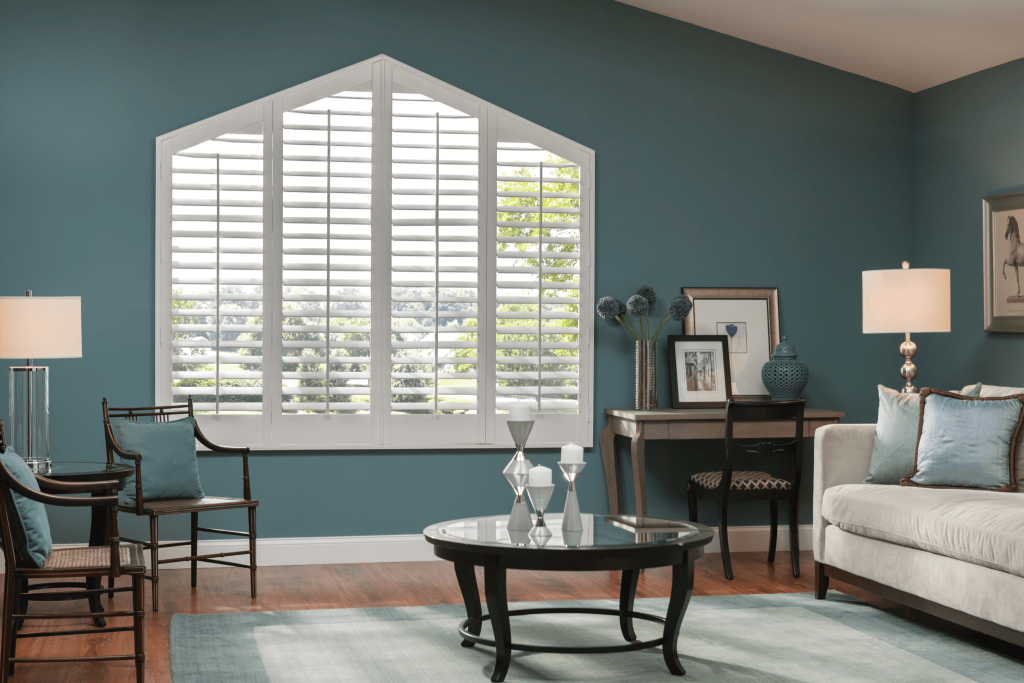
Beyond aesthetics, these treatments also provide practical benefits such as tailored light control, enhanced privacy, and improved energy performance—particularly in larger or sun-facing specialty windows. The move toward customization reflects a broader design mindset where form and function intersect, allowing architectural features to become intentional focal points within a space rather than design challenges to work around.
A standout example of this approach is Shade Revolution’s Motorized Trapezoid Shade. Designed specifically for angled and trapezoid-shaped windows, this solution removes the need to compromise between form and function. By pairing precision custom fabrication with motorization, it allows homeowners to easily control light and privacy in architectural windows that were once difficult to manage. As homes continue to feature bold window designs and expansive glass, innovations like this highlight the growing demand for personalized, automated solutions that enhance comfort, usability, and visual harmony throughout the home.
By 2026, custom window solutions are less about specialty orders and more about design-forward thinking—ensuring that every window, no matter how unique, contributes meaningfully to a home’s style, comfort, and visual cohesion.
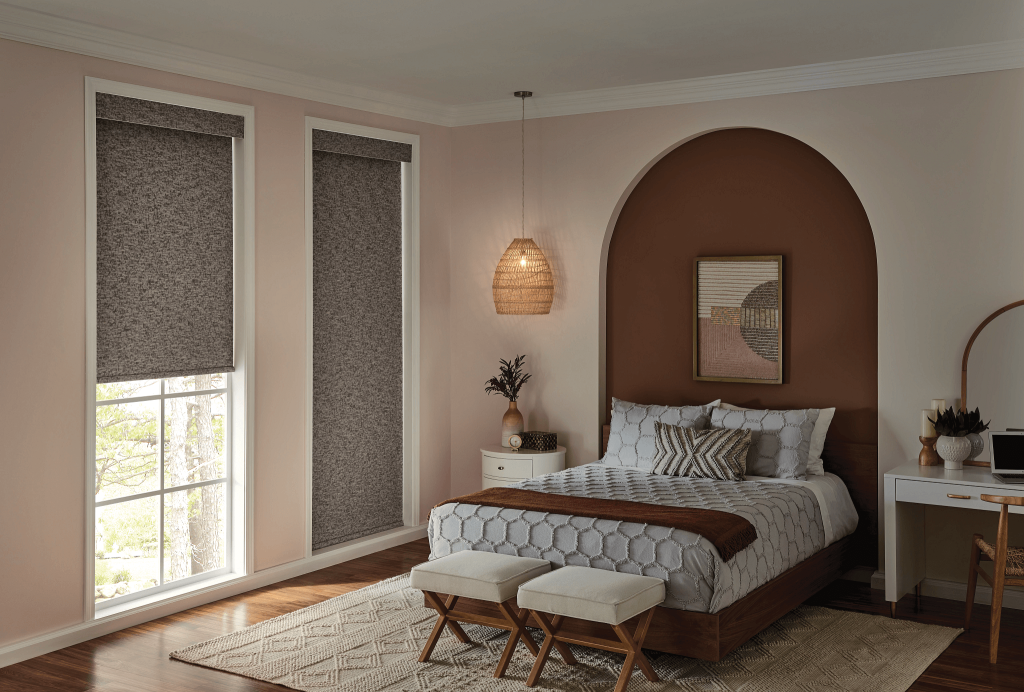
9. Sleepmaxing: Health & Wellness-focused Window Treatments
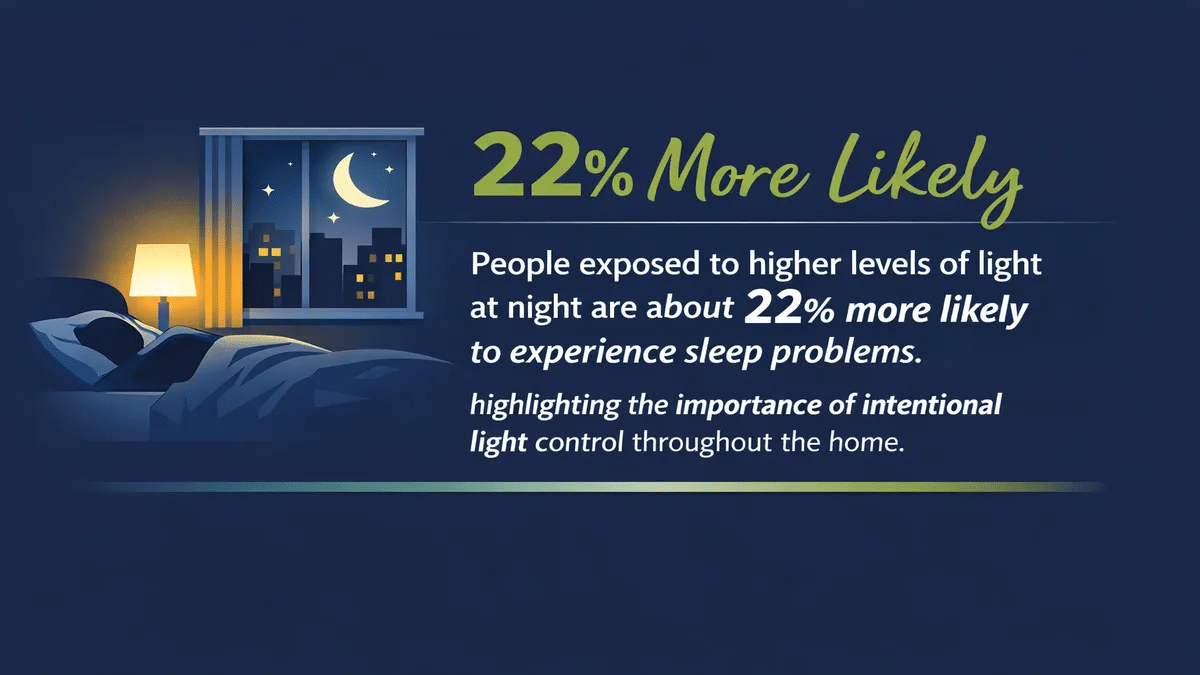
Today’s homes are being designed with more intention than ever, placing greater emphasis on health, comfort, and everyday well-being. Window coverings have become an important part of that shift, influencing how light, temperature, and privacy are managed throughout the home. By helping control daylight exposure, support natural sleep cycles, enhance safety, and create a more comfortable indoor environment, the right window treatments play a meaningful role in spaces that feel better to live in—not just better to look at.
Light management is central to this movement. Adjustable shades, cellular coverings, and layered treatments allow precise control over natural light exposure, helping regulate circadian rhythms. Blackout or room-darkening options in bedrooms support more restful sleep, while light-filtering shades in living spaces reduce glare without sacrificing daylight—creating a more balanced and comfortable environment throughout the home.
10. Exterior Solar Shades Going Mainstream (And Change The Game)
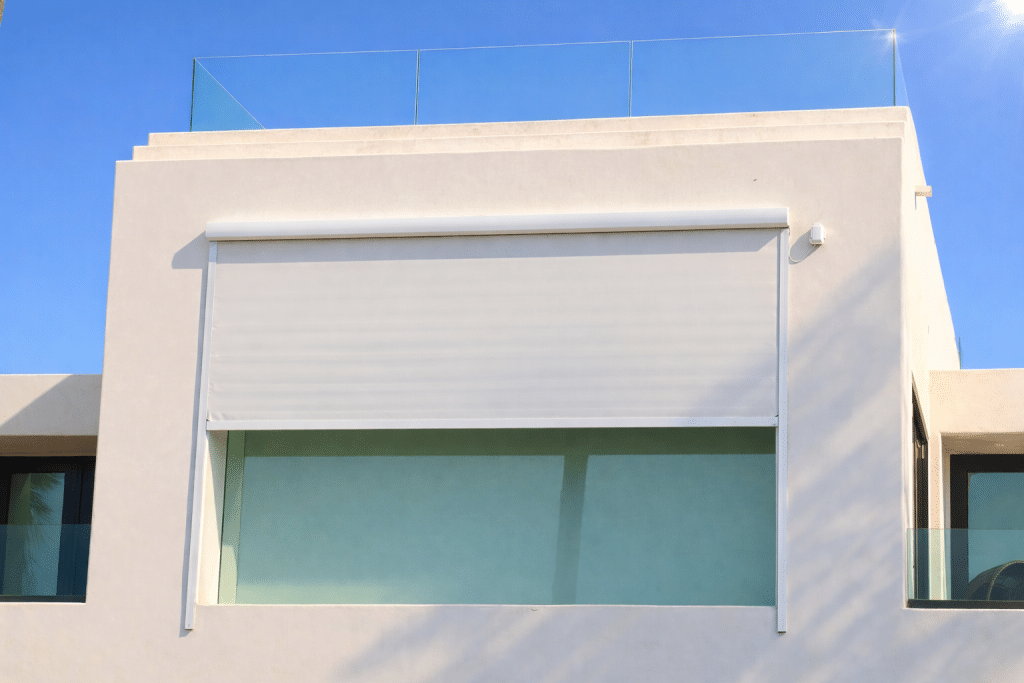
Exterior solar shades are no longer a niche add-on or a “nice-to-have” upgrade—they’re becoming a foundational element of modern home design. In 2026, homeowners are thinking about heat and glare the same way they think about insulation or HVAC: solve the problem before it enters the home. That’s exactly where exterior solar shades shine.
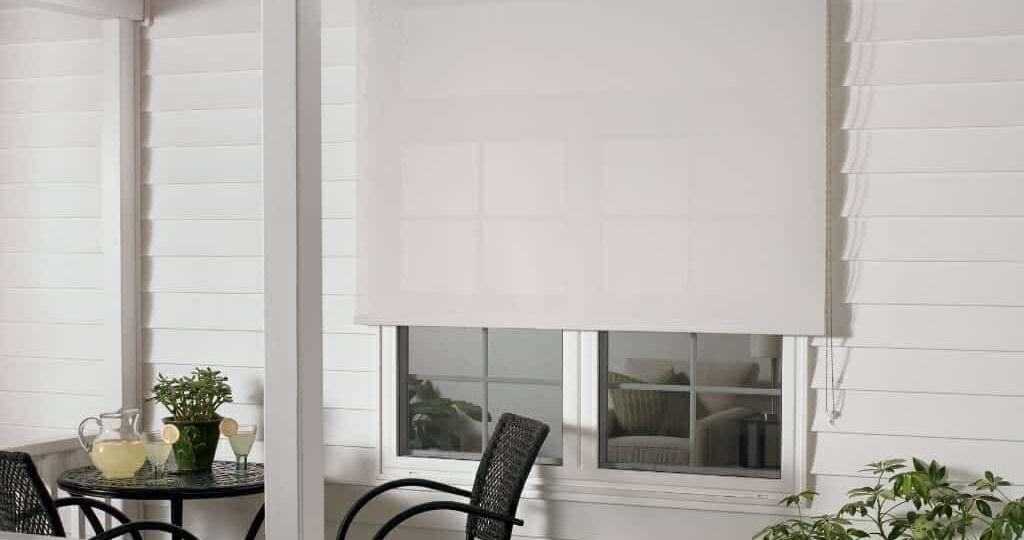
Unlike traditional interior window treatments, exterior solar shades stop sunlight at the source. By blocking heat and UV rays before they pass through the glass, they dramatically reduce heat gain, protect furnishings, and preserve outward views without sacrificing natural light. This makes them especially popular in sun-drenched living spaces, large picture windows, and contemporary homes with expansive glass—where comfort and clean aesthetics have to coexist.
What’s pushing this trend firmly into the mainstream is performance. Exterior solar shades can significantly reduce cooling demand during warmer months, easing the load on air conditioning systems and helping homeowners manage rising energy costs. When paired with insulated interior shades, they become part of a layered, year-round comfort strategy—one that balances energy efficiency, visual clarity, and everyday livability.
Designers and homeowners are also embracing the sleek, minimalist look of exterior shades. Modern materials and slim-profile rollers allow the shades to blend seamlessly with a building’s exterior architecture, creating clean lines without detracting from curb appeal. Automated and motorized systems are becoming standard, enabling effortless operation for large or hard-to-reach windows while integrating with smart home setups.
As they gain mainstream adoption, exterior solar shades are shifting from a niche solution to a staple of modern, sustainable home design. They offer a smart combination of practical benefits (UV protection, heat reduction, privacy) and contemporary aesthetics, making them a must-consider option for homeowners looking to maximize comfort, efficiency, and style in 2026.
Material choice also plays a role. Homeowners are opting for low-VOC fabrics and hypoallergenic materials that minimize indoor pollutants, promoting cleaner air and healthier living spaces. Motorized and automated coverings make it easier to adjust light throughout the day, reducing eye strain and supporting a natural daily rhythm.
This niche trend highlights a shift toward purposeful design where window treatments actively enhance daily comfort, wellness, and lifestyle. By integrating thoughtful materials, precise light control, and automated functionality, health-focused window covering features are becoming a subtle yet influential aspect of modern, mindful home design.
“We’re seeing a real shift in how homeowners think about window treatments,” says Scot Dietz, Owner of 3 Blind Mice Window Coverings. “It’s no longer just about how a space looks—proper light control directly impacts sleep, mood, and overall wellness.“
11. Minimalist Hardware That Disappears
When it comes to hardware, the trend is moving toward clean, unobtrusive designs that let the coverings take center stage. Minimalist brackets, slim headrails, and hidden mounts create a seamless look, allowing shades, blinds, and drapery to blend naturally with the architecture rather than drawing attention to the mechanisms.
This approach complements modern interiors where simplicity and clean lines are valued. For homeowners, it means a polished, sophisticated appearance without unnecessary visual clutter. Slim-profile headrails, recessed tracks, and motorized options enhance this effect by eliminating cords and bulky fittings, contributing to a sleek, contemporary aesthetic.
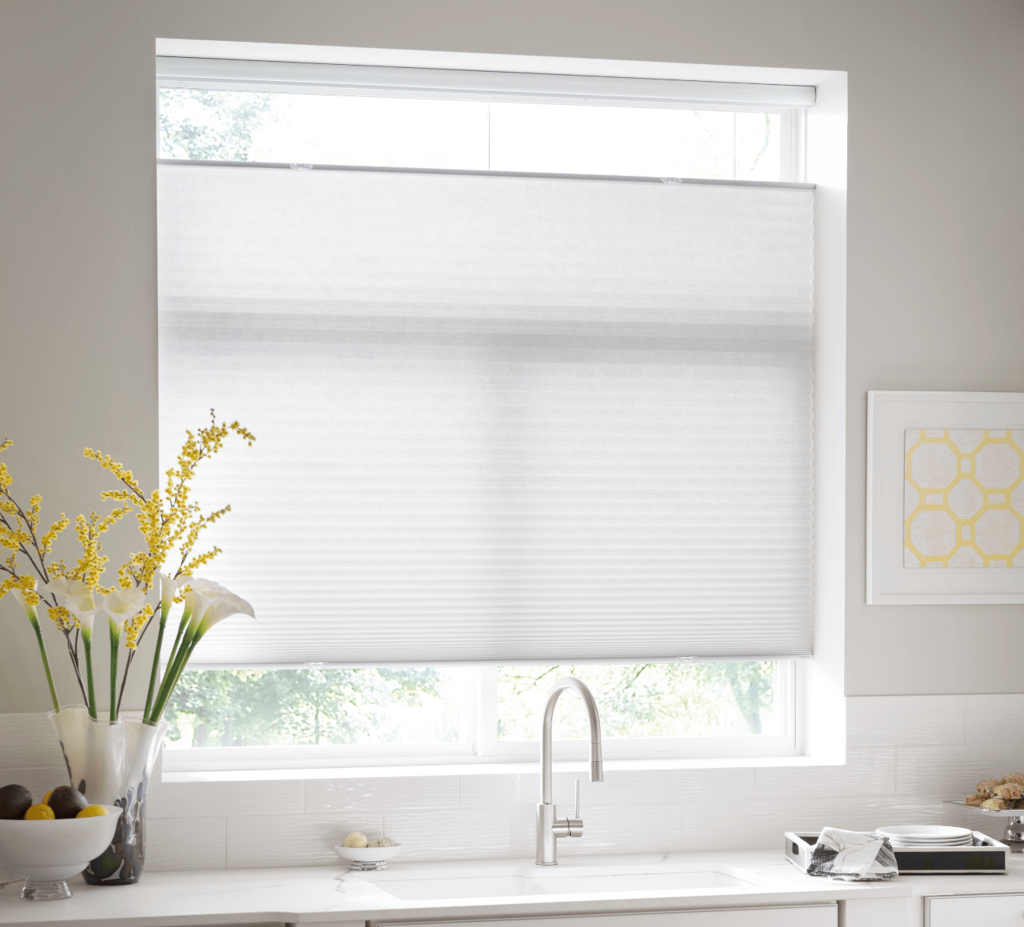
Minimalist hardware also provides functional benefits. Hidden mounts and slim profiles make it easier to layer treatments, align coverings with architectural elements, and achieve precise light control and privacy without bulky interruptions. For designers, this allows greater flexibility in styling and layering, resulting in rooms with a balanced, intentional look.
Disappearing hardware is part of a wider trend toward understated, highly functional window treatments. This subtle detail enhances both aesthetics and performance, allowing homeowners to enjoy modern elegance while maximizing light control, privacy, and ease of use.
12. 2026 Window Covering Color Trends
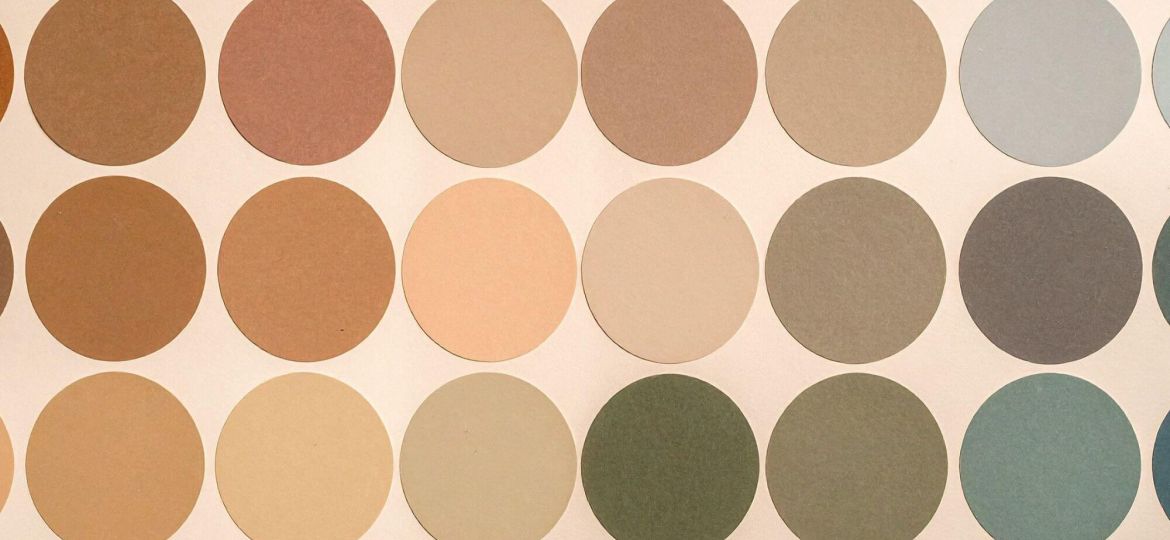
In 2026, window covering colors are shifting toward warm, natural, and versatile tones that complement modern interiors while adding subtle personality. Designers are moving away from stark whites and overly bold shades, favoring hues that create a sense of calm, cohesion, and longevity.
Neutral palettes remain popular, with soft creams, shades of taupe, and grey tones serving as a flexible backdrop for layered treatments and textured fabrics. These colors work across contemporary, transitional, and traditional spaces, allowing homeowners to mix and match shades, blinds, and drapery without clashing.
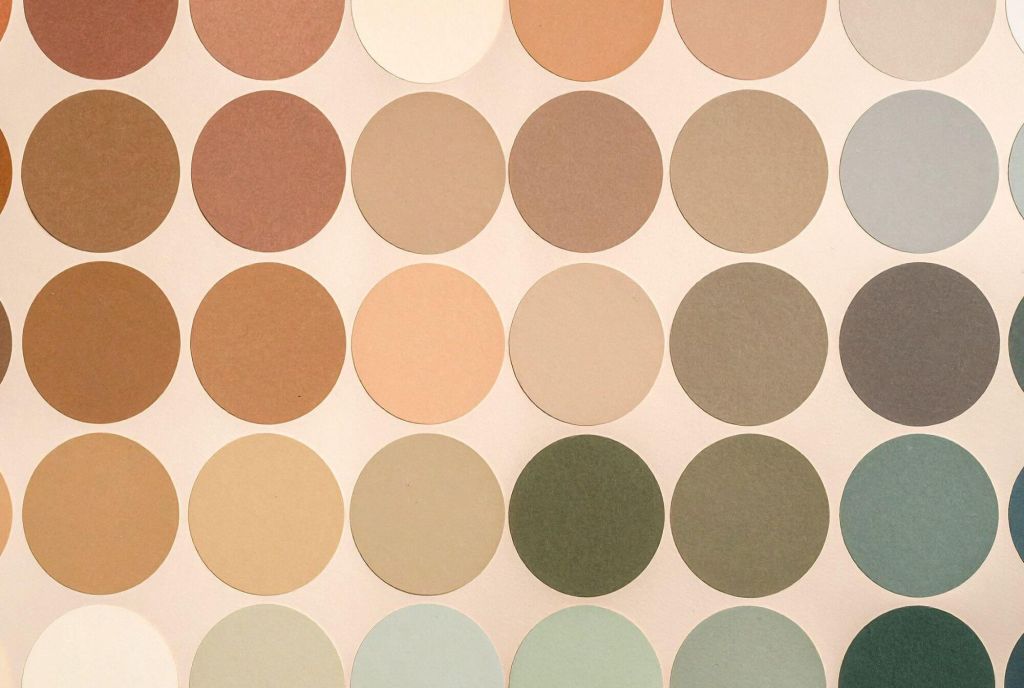
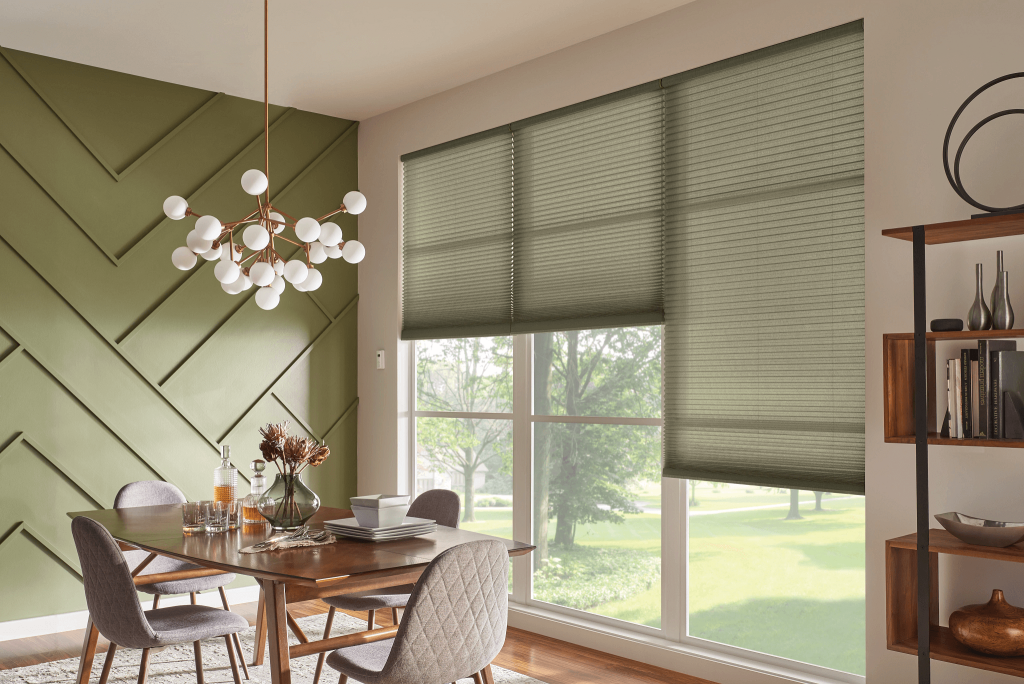
Earth-inspired tones are also trending, including muted greens, sandy beiges, and warm terracotta, which bring a natural, grounded feel to interiors. These colors pair beautifully with woven textures, linen-inspired fabrics, and layered treatments, helping to make a room feel intentional and balanced.
For homeowners seeking a subtle statement, accent hues like deep navy, charcoal, or jewel tones are being used strategically on drapery or roller shades to provide contrast without overwhelming a space. Layering these accent colors with neutral shades creates depth, sophistication, and visual interest.
Overall, the 2026 color trends emphasize timelessness, versatility, and harmony. By selecting shades that work with both architecture and furnishings, homeowners can create window treatments that not only look current today but remain stylish and complementary for years to come.
What’s Changed Since 2025?
The window treatment landscape has evolved since 2025, with design, technology, and functionality all taking center stage. Here’s what’s different in 2026:
- Smart and automated features are mainstream: Motorized shades and automated schedules are no longer optional. Homeowners expect coverings that adjust for light, privacy, and energy efficiency automatically.
- Sustainability now emphasizes performance: While eco-friendly materials were a focus last year, 2026 highlights energy-saving and insulating designs like cellular shades and solar screens that actively enhance comfort and lower utility bills.
- Visual calm replaces dramatic statements: Oversized drapery and bold wall-covering curtains are giving way to slim-profile shades, layered treatments, and textured fabrics, which create depth without overwhelming the space.
- Color palettes shift toward warmth and natural tones: Neutral shades, earthy hues, and subtle accent colors replace stark whites and cool greys, supporting a more lived-in, intentional feel.
- Functionality blends seamlessly with design: Layered treatments, sleek hardware, and custom solutions for specialty windows ensure coverings are both beautiful and practical, integrating with architecture rather than dominating it.
Bottom line: 2026 window treatments prioritize smart functionality, energy efficiency, and timeless style, building on last year’s trends while refining them for modern homeowners.
2026 Window Treatment Trend Library
Looking for more? The Trend Library is your go-to resource for exploring insights beyond the core 2026 window covering trends. Think of it as a curated hub where you can dive deeper into style inspiration, materials, and emerging techniques to make more informed choices for every room of your home.
Seasonal Trends
- Spring Trends for Window Treatments
- Summer Window Treatment Ideas
- Autumn Trends for Window Treatments
- Winter Window Coverings
Additional Reading on Window Treatments Trends in 2026
- 2026 Window Treatment Trends from Martha Stewart
- 2026 Window Treatment Trends from Better Homes and Gardens
- Window Treatment Inspiration from Architectural Digest
- Window Treatment Ideas from Good Housekeeping
- Window Trim Ideas from Elle Décor
2026 Trending Window Treatment FAQs
What are the top window treatment trends for 2026?
The biggest trends for 2026 include smart and motorized shades, energy-efficient window coverings, layered treatments for light and privacy, exterior solar shades, and textured fabrics in warm, natural tones.
Are smart window shades worth it in 2026?
Yes. Smart window shades are increasingly popular because they improve daily convenience, support energy efficiency, and integrate seamlessly with modern smart home systems. In 2026, they’re considered a practical upgrade rather than a luxury.
What window treatments are best for energy efficiency?
Cellular (honeycomb) shades, solar shades, and layered window treatments are among the most energy-efficient options. These coverings help reduce heat gain in summer and heat loss in winter, improving comfort and lowering energy costs.
What colors are trending for window coverings in 2026?
Warm neutrals, earthy tones, muted greens, and soft greiges are leading color trends. Accent colors like deep navy or charcoal are also used selectively to add depth without overwhelming a space.
How do I choose the right window treatment trend for my home?
The best choice depends on your goals—light control, privacy, energy efficiency, or design. Seeing materials in person and working with a design expert can help you select window treatments that fit both your space and lifestyle.